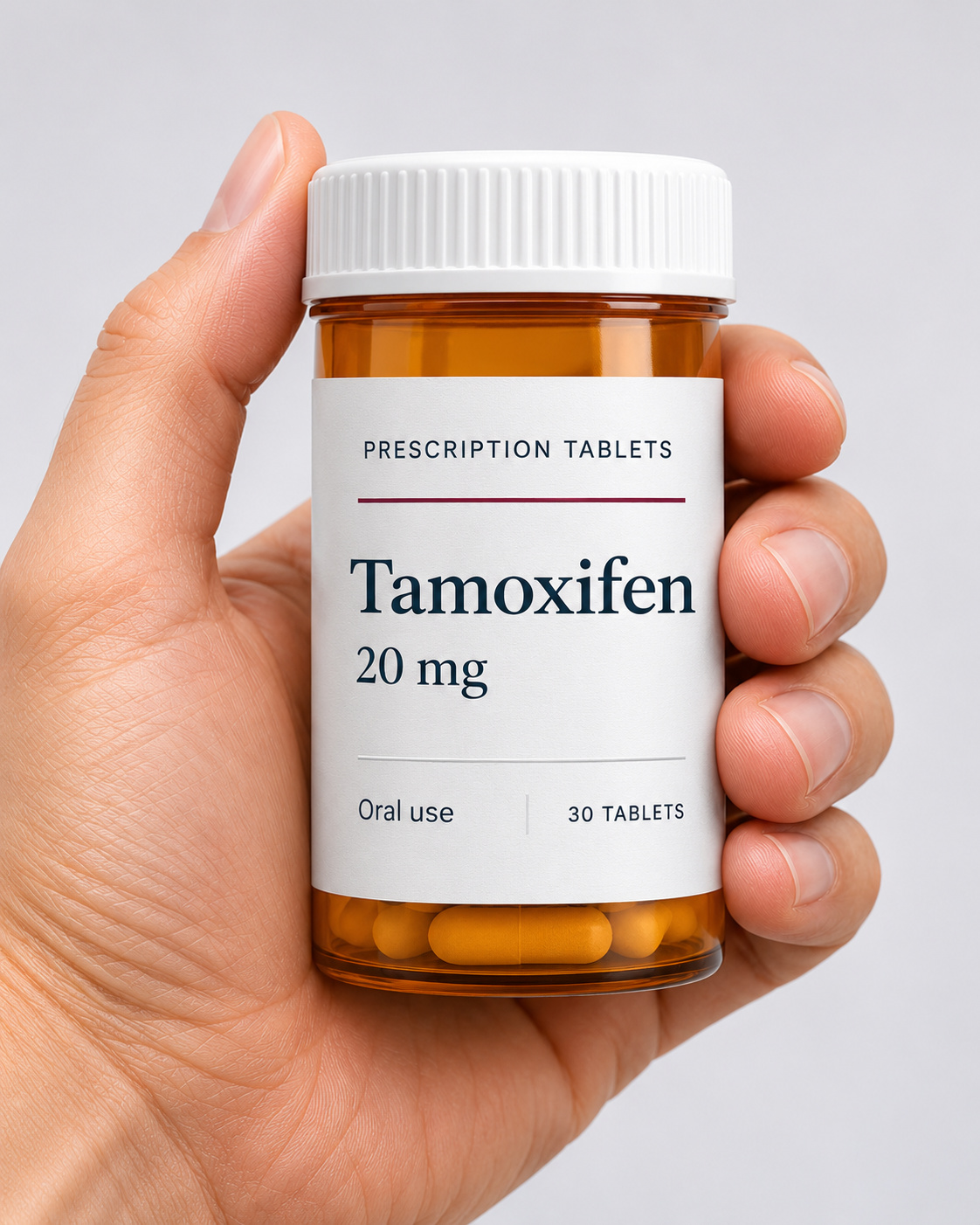
| Drug Name: | Tamoxifen (as tamoxifen citrate) |
|---|---|
| Tablet Strength: | Commonly 10 mg or 20 mg standard oral tablets. |
| Available Packages: | Pack sizes vary by manufacturer and strength. |
| Price: | Generic Nolvadex (tamoxifen) often costs from about £5–£25 per pack of ~30–90 tablets on a private prescription, with some UK online pharmacies bringing costs into roughly £0.10–£0.55 per pill depending on strength and quantity. |
| Rx | Prescription only. |
| Where to buy | Online Pharmacy |
Navigating the process of obtaining a prescription medication online requires careful attention to safety, legality, and proper medical supervision. Because Tamoxifen (commonly known by the brand name Nolvadex) is a potent prescription-only selective estrogen receptor modulator (SERM) primarily used in the treatment and prevention of hormone-receptor-positive breast cancer, securing it legally requires a valid prescription from a licensed healthcare provider.
A qualified clinician can prescribe tamoxifen after a video or phone visit if they can confirm the reason for treatment, check for risks, and arrange follow-up. If you already have a treatment plan, contact your oncology team. A new breast lump or unexplained bleeding may need an in-person assessment first.
What tamoxifen does
Why the receptor result matters
Breast cancer cells can carry estrogen receptors. When estrogen attaches to its receptor, the signal can help those cells grow. A pathologist tests a sample from a biopsy or operation to see whether the cells carry the receptor. When a report says ER-positive, it gives the oncologist a reason to consider treatment that interrupts this signal. The result works alongside the other findings on the report. Tumor size and lymph node involvement help estimate recurrence risk. The receptor result helps identify a treatment that could reduce it.
How the medicine acts in different tissues
Tamoxifen is a selective estrogen receptor modulator, or SERM. It competes with estrogen at the receptor and blocks much of its effect in breast tissue. In other tissues, including the uterine lining, tamoxifen can have some estrogen-like activity. This helps explain how one drug can reduce the risk of certain breast cancers and increase the risk of some uterine conditions. An aromatase inhibitor acts at another point in the process. It limits estrogen production. The difference matters when the ovaries still make estrogen and when a patient has other conditions, such as osteoporosis or a history of blood clots.
Why the liver matters
The liver converts tamoxifen into active compounds. One of them, endoxifen, depends in part on an enzyme called CYP2D6. Some prescription drugs slow the enzyme and can reduce endoxifen exposure. That is one reason the clinician asks what you take for depression, anxiety, or other conditions, even if you have taken the same medicine for years. The pharmacist can identify the interaction. Your prescribers can then decide whether it is worth changing either drug.
Who may be offered tamoxifen
Early estrogen receptor-positive breast cancer
After surgery, adjuvant endocrine therapy aims to lower the risk of recurrence. The oncology team considers the tumor's features and the treatment you have already had. If your ovaries still function, tamoxifen may be an option on its own. Your oncologist may discuss ovarian suppression as well, especially if the risk of recurrence is higher. An aromatase inhibitor can also be an option when ovarian suppression is part of the plan. After menopause, a clinician may recommend starting with an aromatase inhibitor or switching to one later. Ask what the team expects your proposed treatment to accomplish and why it fits your situation.
Advanced breast cancer
Tamoxifen can be an option for some people with advanced breast cancer. An oncologist considers where the cancer has spread, what the latest tests show, how quickly the disease is changing, and which treatments you have already received. A plan made after surgery years ago does not tell the team what treatment fits a new recurrence. Bring a record of when you started and stopped each previous endocrine drug, as well as the results that documented progression, if you have them.
Ductal carcinoma in situ
Ductal carcinoma in situ, or DCIS, involves abnormal cells confined to the ducts. After breast-conserving treatment for ER-positive DCIS, a clinician may discuss tamoxifen to reduce the chance of future breast events. Ask which outcome the medicine could affect given your surgery, pathology, and any radiation treatment. A question about risk in the breast that received treatment differs from a question about risk in the other breast. After mastectomy, how much breast tissue remains can change the discussion.
Prevention in people at increased risk
A specialist may consider preventive treatment if a risk assessment shows a sufficiently high chance of developing breast cancer. Relevant records can include a biopsy showing certain high-risk changes, the age at which relatives developed breast or ovarian cancer, and a genetic test result if you have one. Ask the clinician for your estimated risk over a specific period and what that risk might look like with treatment. A relative reduction has more practical meaning when you also know your starting risk. A treatment that would prevent several events in a higher-risk group could prevent much less in a group with a low starting risk.
Breast cancer in men
Tamoxifen is a standard adjuvant endocrine treatment for eligible men with hormone receptor-positive breast cancer. A common initial course is five years. Men who tolerate treatment and still have a high recurrence risk may discuss continuing for another five years. If tamoxifen is unsuitable, the oncology team can consider an aromatase inhibitor with medicine to suppress testicular hormone production. A new lump or nipple change needs its own assessment, even if a man has already taken tamoxifen or received treatment for a hormone disorder.
| Reason for the appointment | Record to look for | Question to ask |
|---|---|---|
| Treatment after invasive breast cancer | Pathology and oncology treatment plan | How much might endocrine treatment lower my recurrence risk? |
| Treatment of advanced disease | Recent imaging, receptor test, and drug history | How will we tell whether this treatment is helping? |
| Risk reduction after DCIS | Surgery and radiation records | Which future breast events might the medicine prevent? |
| Prevention before a first diagnosis | Risk assessment and any relevant biopsy results | What is my absolute risk with and without treatment? |
| Continuation of treatment | Current prescription and last oncology letter | Who will authorize the next supply and when is my next review? |
When an online visit can answer the question
A remote assessment works best when the clinician can see the information that supports the treatment decision. Someone who finished breast surgery and has a documented endocrine plan may be able to discuss it online, even if the clinician still needs to arrange tests locally. Someone who has found a lump needs an assessment that can lead to an examination and, if indicated, imaging or biopsy. A photograph or a description over video cannot supply a pathology result.
You can use a remote visit to ask why a clinician recommended tamoxifen, discuss a possible switch, or review a prescription you already take. If your care team needs to assess abnormal bleeding or clarify a possible clot, the issue may be more urgent than the appointment you booked. Tell the clinic about the symptom when you contact it. Sudden breathlessness, chest pain, or stroke symptoms need emergency care instead of a routine telehealth visit.
How to request an online prescription
1. Identify the decision you need to make
State whether you are starting treatment, considering prevention, switching from another drug, or requesting a refill. If a clinician has already recommended tamoxifen, say who made the recommendation and when. The clinic can direct your request to the person who has the records or can make the next decision.
2. Book with a clinician who can handle the reason for treatment
Ask the treating oncology team about remote appointments if your request follows a diagnosis. For prevention, ask a breast risk or primary care clinician how to arrange a formal assessment. If another service offers the appointment, confirm it can review the underlying condition and share information with the team responsible for follow-up.
3. Ask the clinic to confirm receipt of your records
A pathology report usually contains more detail than an appointment summary. Send the report, the latest treatment plan, and records of relevant surgery or radiation if the service asks for them. If you have several pathology reports, say which biopsy or operation each one came from. If the clinic needs an original report from a hospital, ask whom you should contact and whether the hospital can send it directly.
4. Prepare an up-to-date medicine list
Include prescriptions from other clinicians, nonprescription medicines, hormones, and supplements. Give the names and strengths from the packages if you can. A medicine listed as "for mood" or "for a clot" cannot tell the prescriber whether it interacts with tamoxifen. Report anything you recently stopped, especially if another person directed the change.
5. Tell the clinician which health issues could affect safety
Mention any previous clot, stroke, unusual vaginal bleeding, liver problem, or recent operation. If you take an anticoagulant, explain why and report any recent changes. Tell the team if you might be pregnant or are planning a pregnancy. A major operation or a period of limited mobility can affect the plan even if you otherwise feel well.
6. Discuss the reason for prescribing and the alternatives
For treatment after breast cancer, ask how the choice depends on your pathology and chance of recurrence. If you are considering preventive treatment, ask about your personal likelihood of developing cancer and how the expected reduction compares with the risks. If the clinician needs another test or opinion, ask what result would change the choice. The answer can help you understand why the prescription may need to wait.
7. Confirm where the prescription will go
Tell the clinician which pharmacy you plan to use. Ask how you will know that the prescription has been sent and what to do if the pharmacy does not receive it. If the clinic uses a hospital pharmacy for your first supply, ask whether that arrangement continues after your next appointment.
8. Agree on a contact for follow-up
Find out who handles side effects, results, and renewals. Keep a written copy of the medication name, the prescribed dose, and the intended date of review. If a different clinician is expected to take over the prescription, check when responsibility transfers. Arrange your next supply before the amount you have left becomes an emergency.
What the clinician assesses during the visit
Whether the diagnosis supports treatment
The clinician may ask when you received the pathology result and whether the report describes invasive cancer, DCIS, or a finding that increased your future risk. These situations can lead to the same medication for different reasons. Ask your clinician to describe your treatment goal in a sentence. That answer gives you a basis for later decisions about side effects, a switch, or an extension.
How menopause and previous treatment affect the choice
A person who stopped having periods during chemotherapy may still recover ovarian function. The clinician considers age, menstrual history, ovarian surgery, and any medicines used to suppress the ovaries. They may use hormone tests when the answer remains uncertain and would change the treatment. The question matters especially before switching to an aromatase inhibitor. A return of bleeding can have more than one explanation, so give the team the dates and ask whether it needs a separate evaluation.
Whether a video visit provides enough information
A prescriber may need to reconcile a detail that conflicts with the record, such as a previous pulmonary embolism or a drug that no longer appears on the current list. If examination or testing would affect the decision, ask the clinician to explain what they need and how soon. If they prescribe, ask which part of the plan requires the next contact. You should leave knowing what happens after the call.
Approved and off-label uses
Reading the prescribing information
Drug labels describe the uses for which the specific product has approval. Tamoxifen has approved uses in treating breast cancer and reducing breast cancer risk in selected patients. A specialist can sometimes recommend a use outside the approved label. That is off-label prescribing. Ask what evidence supports the use, how your clinician plans to measure a response, and what would cause them to recommend stopping. The presence of a tablet on a pharmacy's website tells you little about whether it suits your diagnosis.
Use in male reproductive medicine
A reproductive urologist may consider a SERM in selected men with infertility and low testosterone. Evidence for this off-label approach is limited. The clinician may ask for a reproductive history, a semen analysis, and hormone tests to work out why fertility is impaired. A change in testosterone or a semen result gives the specialist information about response. It cannot establish that treatment will lead to a pregnancy.
Requests after anabolic steroid use
Tamoxifen has no approved use for bodybuilding or post-cycle therapy. Breast tenderness, erectile symptoms, or a change in mood after anabolic steroid use can have different causes. Tell the clinician what you took and when, including products whose ingredients you could not verify. A new breast lump still needs assessment. Starting tamoxifen on your own can expose you to a clotting risk while leaving the original problem unexplained.
Pregnancy, contraception, and breastfeeding
Pregnancy testing and contraception
Tamoxifen can harm a developing fetus. Tell the prescriber if you could be pregnant or plan to become pregnant. They can determine when a test is appropriate and discuss effective nonhormonal contraception where needed. Tamoxifen can change the timing of periods, and pregnancy can still occur. Ask your clinician how long to use contraception after the last dose. Follow the instructions for your medicine and the plan you agreed on. Contact your oncology team promptly if you think you may be pregnant.
When you want to have a child
Bring up pregnancy plans before starting treatment so the oncology and fertility teams can discuss timing. They can review the value of continuing endocrine therapy, your own recurrence risk, and fertility preservation. An interruption, if suitable, needs a plan for when you will resume treatment. A product leaflet's instructions about when the drug clears cannot answer whether a pause in cancer treatment makes sense for you. Tell your team if you are breastfeeding so you can discuss alternatives.
Tests and follow-up during treatment
Testing starts with a question the result can answer. A clinician may use a blood count or liver tests to track safety. Someone who already has liver disease or takes another medication that affects the liver may need a different plan from someone with no such history. If you have an appointment by video, find out where to have tests done and who will tell you the result. Arrange any breast imaging through the surveillance team on the schedule they recommend for your condition.
| Check | What it can clarify | When to discuss it |
|---|---|---|
| Pathology report and earlier treatment | Whether tamoxifen fits the diagnosis and treatment goals | Before the first prescription or a change to the plan |
| Pregnancy test when appropriate | Whether the clinician needs to reassess fetal risk before prescribing | Before starting when pregnancy is possible |
| Blood count or liver tests | Whether a finding needs attention during treatment | According to your medical history and follow-up plan |
| Assessment of unusual vaginal bleeding | Whether bleeding comes from the uterine lining or another cause | Promptly when new or unexpected bleeding occurs |
| Breast surveillance | Whether new findings require investigation | On the schedule your breast team sets |
An abnormal symptom deserves the right test. If you have a uterus, report new spotting after menopause, bleeding outside your normal pattern, or bloody vaginal discharge. Clinicians generally do not use routine endometrial screening to check everyone who takes tamoxifen and has no symptoms. They may arrange an examination or tests when symptoms or a particular risk justify it. A normal cervical screening result does not explain bleeding from the uterine lining.
How renewals work
A repeat prescription normally follows a plan agreed on when treatment began. Ask who can authorize repeats and when the team next needs to reassess you. A pharmacy reminder may tell you to reorder tablets, while your oncology team may have a separate date for discussing how treatment is going. No universal monthly authorization applies to tamoxifen. Your prescriber can still arrange earlier follow-up if they need to check a symptom, an interaction, or a change in your treatment plan.
When contacting the clinic for a renewal, state your current dose, pharmacy, and the number of tablets left. Mention new medicines and whether you have missed doses. If your care has transferred, send the last oncology letter to the new team and verify they have accepted responsibility before requesting a refill. If the pharmacy has a supply problem, ask whether it can obtain the same medicine or whether your prescriber needs to send the order elsewhere.
How the prescriber chooses a dose
Confirm the strength and directions
Many breast cancer and prevention regimens use 20 mg daily. The appropriate prescription depends on the reason for treatment and the formulation. Confirm how many tablets or what volume to take from the actual label, especially when the pharmacy supplies a new strength or switches between tablets and a liquid. If a hospital letter and a pharmacy label give different directions, contact the prescriber or pharmacist before changing how you take it.
Make an ordinary plan for missed doses
Check the leaflet or ask the pharmacist what to do if you forget a dose. Avoid taking two doses together to make up for one that you missed. If you frequently forget the medicine or have trouble swallowing it, tell the clinician what happens during a normal week. They can help address the actual obstacle. A different routine might help someone who works rotating shifts, while someone who cannot swallow tablets needs advice on formulations.
What lower-dose studies can tell you
Clinicians may discuss a lower dose for some people after surgery for DCIS or another high-risk breast lesion. If you take tamoxifen after invasive breast cancer, your clinician will base the dose on the treatment plan for that diagnosis. Ask whether a proposed dose change would affect the expected benefit and what other options are available if side effects are hard to manage.
If side effects make your current prescription hard to take, describe which ones limit you instead of changing the dose alone. Your clinician can check for other causes and discuss symptom treatment, a change of endocrine medicine, or whether evidence on a different dose applies to your case. Ask what it might mean for the outcome you and the oncologist are trying to prevent. A plan for preventing another breast event after a high-risk lesion can differ from one for reducing recurrence after invasive cancer.
How long treatment can continue
After early breast cancer, many patients begin with a plan for five years of endocrine treatment. The next decision depends on the original cancer, your health now, and how you tolerated treatment. Some patients continue tamoxifen. Others switch to an aromatase inhibitor, especially if menopause changes which treatment is suitable. If you are nearing the planned end date, ask whether the oncology team wants to review your treatment before the final supply runs out.
Continuing tamoxifen beyond five years can lower the chance of recurrence for some people with ER-positive breast cancer. A longer course can also increase the risk of endometrial cancer in people with a uterus. Your oncologist will consider your original cancer, how well you tolerate treatment, and your risk of serious side effects. For advanced breast cancer, the team reviews how the disease responds and how well you tolerate the medicine. If you take tamoxifen for prevention, ask for the planned stop date before starting.
Side effects and symptoms that need attention
Symptoms that can affect your day
Hot flashes, night sweats, changes in periods, and vaginal symptoms can affect sleep, work, or sex. Tell the team when a symptom started, how often it occurs, and whether it makes you skip tablets. They can assess other causes and suggest options that fit your treatment. Ask before taking a hormone product or a supplement to relieve symptoms. A medicine you start for the side effects can interact with tamoxifen or affect the rest of your care.
Blood clots, stroke, and changes in the uterine lining
Prescribing information carries a boxed warning about serious risks when tamoxifen is used for breast cancer risk reduction, including after DCIS. These risks include pulmonary embolism, stroke, and uterine cancer. A history of venous clots or the need for certain anticoagulants can make tamoxifen unsuitable for preventive treatment. During treatment for established cancer, your oncologist weighs those risks against the potential cancer benefit. A planned operation or an extended period of limited movement can raise clot risk. A prior stroke or other vascular disease merits a separate discussion of stroke risk. Changes in the uterine lining matter particularly for people with a uterus who develop bleeding after menopause.
| What you notice | What to do | What the clinician may need to check |
|---|---|---|
| Sudden shortness of breath, chest pain, or coughing blood | Call emergency services immediately. | A clot in the lung is one possible cause. |
| New pain, warmth, or swelling in one leg | Seek urgent medical assessment. Call emergency services if you also have sudden breathlessness or chest pain. | A clot in a deep vein can cause swelling or pain on one side. |
| Facial droop, sudden weakness, trouble speaking, or a sudden change in vision | Call emergency services immediately, even if symptoms improve. | The symptoms could indicate a stroke or transient ischemic attack. |
| New bleeding after menopause, unusual vaginal bleeding, or bloody discharge | Contact your care team promptly. Seek urgent help for heavy bleeding with faintness. | The team needs to assess the source, including the uterine lining. |
| Persistent changes in vision | Contact your clinician to discuss an eye assessment. | Vision symptoms have several causes, including problems that warrant an examination. |
What to expect after you start
After surgery, you generally cannot feel a treatment lowering the chance of recurrence. Hot flashes do not tell you whether tamoxifen is working. Follow the breast surveillance schedule your team set. If you take it for advanced cancer, your oncologist may use symptoms, scans, and other findings to judge how the disease responds. Ask which findings would lead the team to continue treatment or change it.
At your first follow-up, tell the team whether you received the expected medicine and whether taking it fits your usual day. Bring up changes that you can describe clearly, such as sweats waking you several nights a week or nausea affecting when you take a dose. Tell the team if another clinician changed a prescription while you were waiting for the visit. A new symptom between appointments can merit a call before the next routine review.
Which medicines and supplements to mention
Antidepressants and endoxifen
Paroxetine and fluoxetine can strongly inhibit CYP2D6, reducing the formation of endoxifen. Bupropion can also inhibit the enzyme. An interaction review considers the need for both medicines and which alternatives fit your history. Bring the name and dose of anything you take for mood, anxiety, or hot flashes. If a switch makes sense, agree which clinician will supervise it and how they will follow up. Avoid stopping an antidepressant yourself because you read that it could interact.
Anticoagulants and hormone products
Tell the team if you take warfarin or a related anticoagulant. Tamoxifen can change the effect of warfarin, and whether the combination is suitable can depend on the treatment indication. Also list contraceptives, menopausal hormone therapy, and supplements. If a product's label gives only the brand name, bring the package or ingredient list. Ask your pharmacy or oncology team to check a newly prescribed medicine before you combine it with tamoxifen.
Filling the prescription
Use a licensed pharmacy. For a prescription sent electronically, ask the pharmacist to check whether it has arrived and whether they stock the prescribed strength. If the clinic has arranged hospital dispensing, find out how to collect your supply and who to contact if you need the next prescription elsewhere.
For delivery, check who will actually dispense and send the medication. The website that books a consultation and the pharmacy that fills the prescription may have separate contact details. Keep the label and leaflet. If a tablet from a later refill looks different, ask the pharmacist to confirm the strength and formulation before using it. A different manufacturer can change the tablet's appearance.
What a consultation and prescription can cost
The appointment, medication, and any tests can have separate charges. Ask the clinic what the visit includes and whether follow-up or paperwork carries a separate fee. Request a pharmacy price for the exact strength and quantity on your prescription. Compare totals for the same supply, since one quote may cover a month and another a longer period.
If you have coverage, ask which pharmacies can fill the prescription under your plan and what you would pay for the generic product. If you pay yourself, ask for the price before the pharmacy prepares the order. Bring up cost if it could cause you to miss a refill. Your care team can discuss a different licensed pharmacy or check whether an available equivalent fits the prescription.
How to check an online pharmacy
A pharmacy should ask for a valid prescription, give its dispensing address, and provide a way to contact a pharmacist. If a website offers tamoxifen with no prescription or uses the phrase "for research use" on a product meant for people, avoid ordering from it. Check the pharmacy name and address against the official register applicable to the dispensing address. A copied badge or a customer review cannot establish that the seller dispenses the product it claims to sell.
If you already received a suspicious package, keep the labels and contact a pharmacist or the prescribing team. Tell them whether you took any tablets and when. They can advise on how to verify the medicine and where to report a suspected counterfeit. Seek urgent care if you have serious symptoms.
Frequently asked questions
Do I need a prescription for tamoxifen?
Tamoxifen requires a prescription. The clinician needs enough information to establish the reason for treatment and check for contraindications or interactions. A licensed pharmacy can then fill the prescription. Ask your care team which clinician should handle a first prescription or a refill.
Can an online clinician start a first prescription?
A first prescription can follow an online assessment when the clinician can establish the indication, assess your health history, and arrange follow-up. A new symptom or incomplete record can require an examination or more information. Confirm what the service needs before you book.
What if my oncology appointment is weeks away?
Tell the clinic when you last saw the team and the reason you think treatment or a refill cannot wait. If you already have a prescription that will run out, give the exact date. If you have a new or urgent symptom, describe it when you contact the clinic so it can direct you to the right assessment.
Can my primary care clinician handle renewals?
They can sometimes take over an established prescription under a plan agreed with oncology. Ask who is responsible for monitoring and how the two clinicians will communicate. Give the primary care team your most recent treatment letter if it does not already have it.
Does a family history mean I should take tamoxifen?
Family history is one part of risk assessment. A clinician asks which relatives had cancer, what type they had, and how old they were at diagnosis. They may consider other findings, such as a previous breast biopsy, and whether genetic counseling would help.
Why might two people with DCIS get different advice?
The discussion depends on the receptor result, type of surgery, any radiation, and how much breast tissue remains. Two people can have the same diagnosis and different chances of a future breast event. Ask which risk your clinician expects endocrine treatment to lower.
Can men get tamoxifen for breast cancer?
Men with hormone receptor-positive breast cancer may receive it as part of an oncology plan. If a man seeks treatment for infertility or a breast symptom, the clinician first needs to evaluate that concern separately. An oncology treatment plan cannot serve as a template for those other uses.
Can I take it before menopause?
Tamoxifen can be an option when the ovaries are still making estrogen. For some patients, the team may recommend adding ovarian suppression or using another endocrine regimen. The choice depends on recurrence risk, previous treatment, and how each option fits your circumstances.
Do I need a CYP2D6 genetic test?
A genotype test is not a universal part of getting a prescription. Tell your oncologist if you already have a result and share the actual report. Your medication list matters regardless of genetics because some medicines reduce activity of the same enzyme.
What if I no longer have a uterus?
Tell the prescriber what surgery you had. If your uterus was removed, a risk involving the uterine lining generally does not apply. The team still considers blood clots, stroke, and other risks when assessing tamoxifen or comparing alternatives.
Can I take it after a previous blood clot?
Bring details of the clot, any cause identified, and the name of any anticoagulant you use. A past clot can make tamoxifen unsuitable for risk reduction. For established cancer, the oncologist weighs the need for treatment and considers which alternative could be safer.
What should I do if I miss several tablets?
Call the pharmacist or prescribing team and tell them how many doses you missed and why. Avoid doubling a dose to compensate. If the missed doses came from a supply problem, describe how long the pharmacy expects the delay to last.
Should I pause treatment before surgery?
Ask your surgeon and prescriber early enough for them to coordinate. The answer depends on the procedure, the time you may spend less mobile, your clot risk, and why you take tamoxifen. If the clinicians recommend a pause, ask for written timing for stopping and restarting.
Can I switch from another endocrine treatment?
An oncologist can evaluate a switch if side effects, menopause status, or another medical issue changes the choice. Bring the names and dates of the medicines you already tried. Ask how the switch would affect the total duration of your endocrine treatment.
Will I need blood tests for each refill?
Refill timing and testing follow the individual care plan. Your clinician may want results before renewing if they have a safety concern or need to review another medicine. Ask which checks are due and whether the results need to reach a particular clinic before your next supply.
What if the prescription and label give different directions?
Call the pharmacy or prescriber and read them both sets of instructions. If the pharmacy supplied a different tablet strength, ask how that changes the number of tablets you should take. Resolve the discrepancy before using the new supply.
Can I get enough medicine to travel?
Contact the prescriber and pharmacy in advance, with your travel dates and current supply. Ask whether you can fill the next prescription before departure, and whether the pharmacy needs notice to order the tablets. Keep the original label with the medicine.
Can I try to become pregnant after stopping treatment?
Talk to your oncology team before choosing a stop date or changing contraception. Ask about the recommended interval after your last dose, your recurrence risk, and how the timing fits your treatment plan. If you will resume endocrine therapy, agree when and with whom you will review that plan.
Can I stop if I feel well?
If you take tamoxifen to lower a future risk, you may feel the same whether you take it or not. Ask your team about the benefit they expect for the rest of the prescribed course. If symptoms or cost are making you consider stopping, tell the prescriber what has changed and ask about the available options.
Arrange a consultation with the right team
Start with the clinician who has your pathology or risk assessment. If you are arranging a first visit, ask for the records the service needs to decide whether an online assessment will be enough. For a repeat prescription, contact the team named in your treatment plan and state when the current supply ends.
- Bring the latest treatment plan and your medication list.
- Send any pathology or test result the clinic has asked to see.
- If another clinician will issue the prescription, confirm who will handle follow-up and results.
- If the prescriber asks for an exam or test first, find out who will arrange it and when you should contact the team again.
If you and the clinician decide to start tamoxifen, leave the consultation with the dose, pharmacy, next review date, and a contact for questions about symptoms or other medicines.