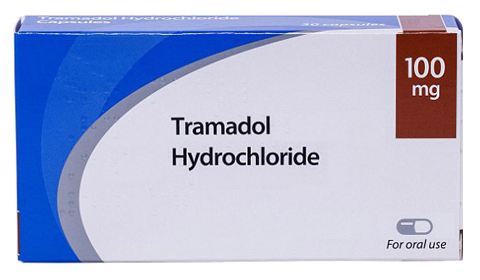
| Product Name: | Tramadol (Ultram) |
|---|---|
| Dosage: | 50 mg, 100 mg |
| Prices: | £ 1.98 – Per Pill |
| Where To Buy Online | OnlinePharmacy |
|
What is Tramadol? Tramadol is a synthetic opioid analgesic, primarily used in the medical field for the treatment of moderate to severe pain. It functions both as a typical opioid and as a serotonin-norepinephrine reuptake inhibitor (SNRI). Tramadol's dual mechanism of action makes it unique among opioids, as it not only alters the perception of pain in the body by binding to the mu-opioid receptors but also affects neurotransmitters involved in pain modulation. Developed in the 1960s by German scientists, tramadol was introduced into the market as 'Tramal.' It gained approval for medical use in the United States and the United Kingdom in the mid-1990s. Since then, tramadol has been widely prescribed for various pain-related conditions, including postoperative pain, neuropathic pain, and certain cases of chronic pain disorders such as fibromyalgia, though it's not FDA-approved for this particular condition. Medical Uses of Tramadol In the United Kingdom, tramadol is primarily used for the management of moderate to severe pain, both in acute and chronic conditions. The versatility of tramadol, stemming from its unique mechanism as an opioid agonist and SNRI, makes it an effective option for various types of pain, including but not limited to post-surgical pain, osteoarthritis, and neuropathic pain. Tramadol is particularly beneficial in cases where non-opioid painkillers, such as NSAIDs (Non-Steroidal Anti-Inflammatory Drugs) or acetaminophen, have proven inadequate. Its effectiveness in treating pain related to nerve damage or neuropathy is notable due to its impact on neurotransmitters like serotonin and norepinephrine, which play a role in how pain is perceived and managed by the body. Moreover, tramadol's use extends to the management of pain in conditions like fibromyalgia, a chronic condition characterized by widespread musculoskeletal pain. Its role in fibromyalgia treatment is typically as a secondary painkiller, prescribed when first-line treatments are ineffective. Mechanism of Action Tramadol's mechanism of action is distinct because it combines opioid and non-opioid properties. As an opioid analgesic, tramadol binds to the mu-opioid receptors in the brain, which are the same receptors that drugs like morphine and heroin act on. This binding inhibits the transmission of pain signals to the brain, thereby reducing the perception of pain. However, unlike other traditional opioids, tramadol also acts as a serotonin-norepinephrine reuptake inhibitor (SNRI). It inhibits the reuptake of two important neurotransmitters in the brain: serotonin and norepinephrine. By increasing the levels of these neurotransmitters in the synaptic cleft, tramadol enhances the inhibitory effects on pain transmission, particularly in the spinal cord. This dual action contributes to its effectiveness in managing various types of pain, especially where other painkillers might not be effective. What forms of Tramadol are available? Tramadol is available in several forms and dosages to accommodate different pain management needs. The most common forms include:
What Are the Recommended Dosage and Administration Guidelines for Tramadol? The dosage and administration of tramadol vary depending on the formulation and the individual patient's needs. For acute pain, immediate-release (IR) tramadol is commonly used, starting at a lower dose and adjusting as needed. Chronic pain management typically involves extended-release (ER) tablets or capsules, which provide a steady release of the medication over a longer period. Immediate-Release Formulation: For adults and adolescents over 17, the usual initial dose is 50 to 100 mg every 4 to 6 hours as needed for pain relief. The dosage can be adjusted but should not exceed 400 mg per day. Extended-Release Formulation: For adults who are not currently taking tramadol IR, the starting dose of ER tramadol is typically 100 mg once daily. This can be gradually increased, with careful monitoring, to an effective dose that minimizes adverse reactions. The maximum recommended dose is usually 300 mg per day. It's essential for patients to follow the prescribed dosing schedule closely. Taking tramadol more frequently or in higher doses than prescribed can increase the risk of side effects, including dependency and overdose. For elderly patients or those with liver or kidney impairment, doses may need to be adjusted lower to reduce the risk of adverse effects. Tramadol should be taken with or without food, but consistently in the same manner for each dose. The tablets should not be crushed, split, or chewed, particularly the extended-release formulations, as this can lead to rapid release and absorption of a potentially fatal dose. Guidelines for Safe Use Ensuring the safe use of tramadol is crucial due to its potential for addiction and other serious side effects. Patients should adhere to the following guidelines:
Adherence to these guidelines can help mitigate the risks associated with tramadol use and ensure it is used effectively and safely for pain management. Are There Any Side Effects or Risks Associated with Using Tramadol? Tramadol can cause side effects, which vary in severity and frequency among different individuals. Some common side effects associated with tramadol include:
While most of these side effects are relatively mild and may decrease with time as the body adjusts to the medication, tramadol can also cause more serious adverse effects. These include:
Risk of serious side effects increases with higher doses and with certain drug interactions. Patients with a history of substance abuse or certain mental health conditions may be at increased risk of addiction or other complications. Given these risks, tramadol should be used with caution and under strict medical supervision, especially for individuals with a history of drug abuse or certain pre-existing conditions. The benefits of pain relief must be carefully weighed against the potential for serious side effects and the risk of misuse. Tramadol and Addiction Tramadol, while less potent than many other opioids, still carries a risk of addiction and dependence. This risk is particularly relevant when tramadol is used for long periods, at high doses, or when used recreationally. Addiction to tramadol can develop as the body becomes accustomed to its presence and begins to rely on it for pain relief or for the mood-altering effects it may provide due to its SNRI properties. When someone is addicted to tramadol, they may find themselves taking it more frequently or in higher doses than prescribed, and they may experience cravings and withdrawal symptoms if they try to stop or reduce their use. Signs of tramadol addiction can include:
Dependence on tramadol is a related but distinct issue from addiction. Dependence occurs as a natural, physiological response to prolonged use of any opioid, including tramadol. It is characterized by the body adapting to the drug, leading to tolerance (needing more of the drug to achieve the same effect) and withdrawal symptoms upon cessation. Withdrawal symptoms from tramadol can include:
It's important to approach tramadol use cautiously and under the guidance of a healthcare provider, especially in individuals with a history of substance misuse or mental health issues. If there's a need to stop using tramadol, it should be done gradually under medical supervision to minimize withdrawal symptoms and ensure safe discontinuation. What Are the Alternative Treatments to Tramadol? While tramadol is effective for many patients, there are various alternatives available for pain management, which can be considered based on the type and severity of pain, patient's health status, and response to other medications. Alternatives to tramadol include:
Are there any risks of buying tramadol without a prescription? Buying tramadol without a prescription is unsafe in most countries, as it is a controlled substance due to its potential for abuse and addiction. However, regulations may vary from country to country. It's essential to note that attempting to purchase prescription medications without a valid prescription can lead to health risks. Tramadol should be purchased through a legitimate healthcare provider with a valid prescription. While in some countries, it may be available for purchase without a prescription, it is essential to follow all local regulations when obtaining this medication. You can purchase Tramadol from a licensed pharmacy or a reputable online pharmacy. Ensure that you choose a legitimate pharmacy and comply with all local regulations for purchasing prescription medications. Patient Experiences Patient experiences with tramadol can vary significantly due to individual differences in pain conditions, responses to medication, and side effects. Some common themes in patient experiences include:
It is crucial for patients considering tramadol for pain management to have open and honest discussions with their healthcare providers about their pain, treatment expectations, and concerns about side effects or dependency. Patient experiences can provide valuable insights into the real-world use of tramadol, complementing clinical and pharmacological information. Understanding tramadol's unique properties, potential benefits, and risks is crucial for both healthcare providers and patients. Its role in pain management is significant, but it must be balanced with an awareness of its limitations and potential for abuse. |