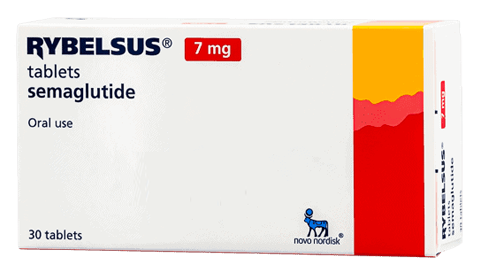
| Product Name: | Rybelsus (Semaglutide oral) |
|---|---|
| Dosage: | 3 mg, 7 mg, 14 mg |
| Prices: | £ 11.85 – Per Pill |
| Where To Buy Online | OnlinePharmacy |
|
About Ozempic Ozempic and Rybelsus are two different forms of the same medication, semaglutide, produced by Novo Nordisk. Both medications are used to treat type 2 diabetes and for weight loss. Although the main component of both drugs is the same, their forms and methods of application differ. Ozempic is an injection for weekly use, while Rybelsus is a tablet for daily intake. This makes them suitable for different patient groups depending on their preferences and medical needs. Initially developed for the treatment of diabetes, both drugs have shown effectiveness in weight loss programs. What is Ozempic used for? Ozempic, a brand name for the medication semaglutide, is a product developed by Novo Nordisk, primarily used in the treatment of type 2 diabetes. It belongs to a class of drugs known as GLP-1 receptor agonists, which play a significant role in blood sugar management. Type 2 Diabetes Management The primary use of Ozempic is to improve blood sugar control in adults with type 2 diabetes. It functions by enhancing the body's natural ability to regulate blood sugar levels. When combined with diet and exercise, Ozempic effectively reduces the risk of major cardiovascular events, such as heart attack or stroke, in individuals with type 2 diabetes and established heart disease. Cardiovascular Benefits Apart from its role in managing blood sugar levels, Ozempic has been shown to provide cardiovascular benefits. Clinical trials have demonstrated that it can reduce the risk of major adverse cardiovascular events in people with type 2 diabetes. Weight Loss Ozempic is also known for its ability to aid in weight loss. While it is not primarily prescribed as a weight loss medication, many patients experience significant weight reduction as a secondary effect of the treatment. This weight loss is attributed to its ability to reduce appetite and delay gastric emptying. What Dosages and Forms is Ozempic available in? Both Ozempic and Rybelsus, while containing the same active ingredient, semaglutide, are available in different forms and packaging to suit the varying needs of patients. Ozempic is offered in a convenient injectable form with pre-filled pens, whereas Rybelsus is available as an oral tablet, catering to those who prefer or require a non-injectable option. Ozempic, as an injectable form of semaglutide, is available in pre-filled, disposable, single-patient-use pen devices. These pens are designed for ease of use and accurate dosing. The available forms of Ozempic include:
These pens are specifically calibrated for the delivery of the respective doses of Ozempic. Each pen is equipped with a dial for dose selection and a window to verify the dose. Rybelsus: Forms and Packaging Rybelsus is the oral tablet form of semaglutide and is available in the following strengths:
Rybelsus tablets come in blister packs or bottles, designed to maintain the integrity and efficacy of the medication. How should Ozempic be administered? Ozempic (Injection)Preparation:
Pen Setup:
Selecting Injection Site:
Injecting the Dose:
Post-Injection:
Dosage: Ozempic is typically taken once a week, on the same day each week.
Preparation:
Taking the Tablet:
Dosage: The starting dose is usually 3 mg daily for a month, followed by an increase based on your doctor's recommendation.
Storage:
Missed Dose: If you miss a dose, take it as soon as you remember if it's within 12 hours of the missed dose. If it's been more than 12 hours, skip the missed dose and take your next dose at the regular time. What are the possible side effects of Ozempic? The most common side effects associated with Ozempic are gastrointestinal in nature. These include nausea, vomiting, diarrhea, abdominal pain, and constipation. Such side effects are usually mild to moderate in severity and tend to decrease over time as the body adjusts to the medication. Ozempic is administered through subcutaneous injections, which can lead to reactions at the site of injection. Patients may experience redness, swelling, itching, and pain at the injection site. These reactions are generally mild and resolve on their own, but they are a consideration for those administering the medication. Although Ozempic is used to lower blood sugar levels, it can occasionally cause hypoglycemia, particularly when used in combination with other diabetes medications known to lower blood sugar, such as insulin or sulfonylureas. Symptoms of hypoglycemia include dizziness, sweating, confusion, and palpitations. There is a risk of pancreatitis in patients taking Ozempic. Symptoms of pancreatitis include severe abdominal pain that can radiate to the back, nausea, vomiting, and an elevated heart rate. Though rare, some individuals may experience allergic reactions to Ozempic. Symptoms of an allergic reaction include rash, itching, difficulty breathing, and swelling of the face, lips, tongue, or throat. Ozempic can lead to a decrease in appetite, which may result in weight loss. While this may be seen as a beneficial side effect for some patients, especially those who are overweight or obese, significant weight loss should be monitored by a healthcare provider. Ozempic Patient Experiences and Reviews Semaglutide, marketed under the brand names Ozempic (injectable form) and Rybelsus (oral form), has garnered significant attention not only for its efficacy in managing type 2 diabetes but also for its weight loss benefits. Many patients using these medications have reported positive experiences, particularly regarding weight management. Significant Weight Loss Achievements One of the most commonly reported benefits of Ozempic and Rybelsus by patients is significant weight loss. Many users have noted that, alongside its primary use for blood sugar control, semaglutide has helped them achieve substantial weight reduction. Patients have shared stories of losing weight gradually but consistently, with some reporting reductions of over 20 pounds within a few months of starting the medication. This weight loss effect is attributed to the drug's ability to decrease appetite and increase feelings of fullness, leading to reduced calorie intake. Improved Appetite Control Users frequently mention the improved control over their appetite as a major benefit. Patients report a noticeable decrease in cravings and an early sensation of fullness during meals, which naturally leads to smaller portion sizes and less snacking between meals. This change in eating behavior is a key factor contributing to the weight loss experienced by many on the medication. Enhanced Quality of Life Beyond weight loss, patients have expressed that Ozempic and Rybelsus have significantly improved their overall quality of life. The weight loss and better blood sugar control have led to increased energy levels, improved mobility, and a more positive self-image. Many users have described feeling healthier and more active, which they attribute to the comprehensive benefits of semaglutide. Users with type 2 diabetes have reported better glycemic control, leading to reduced instances of hyperglycemia and, for some, a decreased need for additional diabetes medications. This improved control of blood sugar levels is an essential factor in the overall positive experiences Long-Term Weight Management Patients have shared that the weight loss achieved with Ozempic and Rybelsus has been sustainable over the long term, especially when combined with lifestyle modifications such as diet and exercise. This sustainability is a key advantage, as maintaining weight loss is often a challenge for those with type 2 diabetes. |