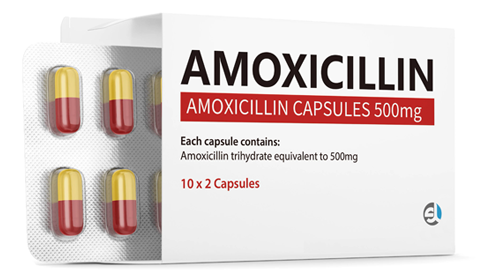
Many people search for amoxicillin over the counter when they have a sore throat, sinus symptoms, ear pain, or another concern that feels like it might be an infection. While the search is common, the answer is important: amoxicillin is not an over-the-counter medication. It is an antibiotic that requires a prescription from a licensed healthcare provider.
Amoxicillin can be helpful for certain bacterial infections, but it is not the right treatment for every illness, and it should not be taken without a proper diagnosis. If you are dealing with persistent symptoms, fever, swelling, severe pain, or signs of infection, contact a physician, urgent care provider, or emergency medical professional for guidance.
Important: This article is for general educational purposes only and is not medical advice. Do not start, stop, or change any medication without guidance from a licensed healthcare provider. If you have trouble breathing, severe swelling, severe pain, fever, or symptoms that are rapidly getting worse, seek urgent medical care.
What is Amoxicillin?
Amoxicillin is an antibiotic in the penicillin family. It is commonly prescribed to treat certain bacterial infections. It works against bacteria, not viruses, which means it will not treat viral illnesses like colds or the flu.
Healthcare providers may prescribe amoxicillin for certain infections involving the ears, throat, lungs, skin, or urinary tract when a bacterial cause is suspected or confirmed. The right antibiotic, dose, and length of treatment depend on the type of infection, the patient's health history, allergies, and other medications they may be taking.
How Amoxicillin Works
Amoxicillin works by interfering with the way bacteria build their cell walls. Without strong cell walls, susceptible bacteria cannot continue growing and spreading the same way. Because antibiotics work only against certain bacteria, a healthcare provider needs to determine whether an antibiotic is appropriate before prescribing it.
Taking antibiotics when they are not needed can expose patients to side effects without helping the underlying problem. It can also contribute to antibiotic resistance, which makes bacterial infections harder to treat in the future.
Why a Prescription Matters
A provider evaluates symptoms and health history.
They determine whether the issue appears bacterial.
The medication and instructions are selected for the patient.
Follow-up care helps monitor results and prevent complications.
Can I Buy Amoxicillin Over the Counter?
No. Amoxicillin is not available over the counter. It requires a prescription from a licensed healthcare provider.
This is because antibiotics require proper diagnosis and supervision. A provider needs to determine whether symptoms are caused by bacteria, whether amoxicillin is the right medication, whether the patient has a penicillin allergy, and whether there are any risks based on medical history or current medications.
If you believe you may need an antibiotic, contact a healthcare provider for an evaluation. Depending on the severity and type of symptoms, appropriate options may include primary care, urgent care, telehealth, or emergency medical care.
Uses
Amoxicillin may be prescribed for a variety of bacterial infections. It is not used to treat viral infections, and it is not appropriate for every bacterial infection. The specific treatment depends on the type of infection, the bacteria involved, the patient's medical history, and other individual factors.
Respiratory Tract Infections
Some respiratory infections may be bacterial and may require antibiotics. These can include certain infections affecting the throat, sinuses, airways, and lungs. Other respiratory illnesses are viral and do not improve with antibiotics. Symptoms, examination findings, and sometimes testing help determine the appropriate treatment.
Ear Infections
Amoxicillin may be prescribed for certain middle ear infections when a healthcare provider determines that a bacterial infection is likely and antibiotic treatment is appropriate.
Skin and Soft Tissue Infections
Some skin and soft tissue infections may require antibiotics if susceptible bacteria are involved. A healthcare provider can evaluate the affected area, determine the likely cause, and select an appropriate treatment.
Urinary Tract Infections
Some urinary tract infections are treated with antibiotics, but the best medication depends on the patient, the suspected bacteria, local resistance patterns, and relevant test results. Patients should not self-treat a suspected urinary tract infection with leftover medication.
Helicobacter pylori Infection
Amoxicillin may be used in combination with other medications as part of certain treatment regimens for Helicobacter pylori infection, a bacterial infection associated with some stomach and duodenal ulcers.
Amoxicillin is effective only against susceptible bacterial infections and is not effective against viral illnesses such as the common cold or flu. Its role in a treatment plan depends on the specific infection and individual patient factors.
Antibiotics Are Not Always the Answer
Bacterial Infections
Some bacterial infections may require antibiotics after a provider evaluates the patient.
Viral Illnesses
Colds, flu, and many sore throats are viral and do not improve with antibiotics.
Persistent Symptoms
Symptoms that persist, worsen, or are accompanied by fever or significant swelling should be evaluated by a healthcare provider.
How to Take Amoxicillin
Amoxicillin should be taken only as prescribed by a licensed healthcare provider. Patients should follow the exact instructions on the prescription label, including the prescribed dose, frequency, and duration of treatment.
Doses are generally taken at evenly spaced intervals to help maintain consistent levels of the antibiotic in the body. Amoxicillin can usually be taken with or without food, although taking it with food may help reduce stomach discomfort in some people.
If you are using a liquid suspension, shake the bottle as directed before measuring a dose and use an appropriate measuring device. Tablets and capsules should be taken according to the instructions provided with the prescription.
Do not take someone else's antibiotics and do not use leftover antibiotics from a previous illness. Follow the prescribed treatment plan even if symptoms begin to improve, unless your healthcare provider instructs you otherwise.
If you miss a dose, follow the instructions provided by your healthcare provider, pharmacist, or prescription information. Do not automatically double the next dose.
Store amoxicillin according to the instructions provided with the medication. Storage requirements can differ between tablets, capsules, and liquid formulations.
Possible Side Effects
Like all medications, amoxicillin can cause side effects. Some people may experience nausea, vomiting, diarrhea, stomach discomfort, headache, rash, itching, dizziness, changes in taste, or yeast infections. Some reactions may be mild, while others can be serious.
Patients who are allergic to penicillin or related antibiotics should not take amoxicillin unless specifically instructed by a qualified healthcare provider. Symptoms of a serious allergic reaction may include hives, swelling of the face, lips, tongue, or throat, difficulty breathing, dizziness, or a severe rash. These symptoms require urgent medical attention.
Less common but potentially serious reactions can include severe or persistent diarrhea, liver problems, changes in blood cell counts, or seizures in susceptible patients. Contact a healthcare provider if significant or unusual symptoms develop while taking amoxicillin.
This is not a complete list of possible side effects. A healthcare provider or pharmacist can provide information about additional risks and interactions relevant to an individual patient.
Antibiotic Resistance
Antibiotic resistance is one of the key reasons antibiotics require careful use. Resistance can develop when bacteria adapt in ways that make antibiotics less effective. This can make future infections harder to treat.
Using antibiotics when they are not needed, taking the wrong antibiotic, skipping doses, or using antibiotics differently from the prescribed treatment plan can contribute to resistance. Appropriate antibiotic use helps preserve the effectiveness of these medications.
| Do | Do Not |
|---|---|
| Talk with a licensed healthcare provider before taking antibiotics. | Do not take amoxicillin without a prescription. |
| Follow the prescription instructions exactly. | Do not take leftover antibiotics from a past illness. |
| Ask a pharmacist or provider if you miss a dose. | Do not share antibiotics with another person. |
| Seek care if symptoms worsen or serious side effects appear. | Do not assume every infection requires antibiotics. |
Amoxicillin Dosages and Forms
Amoxicillin is available in several forms and strengths to accommodate different treatment needs. The appropriate formulation and dose depend on factors such as the type and severity of infection, age, weight, kidney function, and other individual considerations.
- Capsules: Commonly available in strengths such as 250 mg and 500 mg.
- Tablets: Available in several strengths, including formulations intended for different patient needs.
- Chewable Tablets: May be available for patients who have difficulty swallowing standard tablets or capsules.
- Liquid Suspension: Often used when a liquid formulation is more appropriate. Concentrations may vary.
- Extended-Release Tablets: Certain formulations may be used for specific indications.
The prescribed dosage of amoxicillin varies depending on the infection being treated and individual patient factors. Patients should use the exact strength and dosing schedule provided with their prescription.
Amoxicillin Dosage Guidelines for Various Infections
Amoxicillin dosing varies considerably depending on the infection, its severity, patient characteristics, kidney function, and the treatment regimen selected by the healthcare provider. The prescription instructions provided for the individual patient should take priority over general information.
- Ear, Nose, and Throat Infections: The dose and frequency depend on the specific infection and its severity.
- Urinary Tract Infections: Treatment depends on the suspected or identified bacteria, susceptibility patterns, and individual patient factors.
- Skin and Soft Tissue Infections: Dosing may vary according to the location and severity of the infection.
- Lower Respiratory Tract Infections: Treatment regimens depend on the diagnosis, severity, and clinical circumstances.
- Helicobacter pylori Infection: Amoxicillin may be included as part of a combination treatment regimen with other medications.
For children, dosing is often determined partly by body weight and the type of infection being treated. Parents and caregivers should follow the prescribed dose and frequency carefully.
General dosage information is not a substitute for individualized prescribing instructions. Patients should use amoxicillin only according to the directions provided by their healthcare provider and pharmacy.
Amoxicillin Patient Experiences and Reviews
Individual experiences with amoxicillin vary depending on the infection being treated, the patient's health, the prescribed regimen, and individual response to the medication.
- Effectiveness for Bacterial Infections: Some patients report improvement in symptoms when amoxicillin is appropriately prescribed for a susceptible bacterial infection.
- Relief from Symptoms: Improvement may occur during treatment, although the timing and degree of symptom relief vary between patients and conditions.
- Tolerability: Some patients experience mild gastrointestinal symptoms or other common side effects, while others may experience no significant problems.
- Different Formulations: The availability of capsules, tablets, chewable forms, and liquid suspensions can make treatment more practical for different patients.
Patient experiences can provide general context, but they cannot determine whether amoxicillin is appropriate for another person. Diagnosis, prescribing decisions, and treatment response vary from patient to patient.
Summary
Amoxicillin is a widely used penicillin antibiotic prescribed for certain bacterial infections. It is available in several formulations and strengths, but it is not an over-the-counter medication and should be used only when prescribed by a licensed healthcare provider.
Whether amoxicillin is appropriate depends on the type of infection, the bacteria involved, allergies, medical history, other medications, and individual patient factors. Proper diagnosis and appropriate antibiotic use are important for effective treatment and for reducing the risk of antibiotic resistance.
FAQ
Is there an over the counter version of amoxicillin?
No. Amoxicillin is not available over the counter. It requires a prescription from a licensed healthcare provider.
What is a good alternative to amoxicillin?
The right alternative depends on the type of infection, the patient's allergies, medical history, and other factors. A healthcare provider should determine whether an antibiotic is needed and which medication is appropriate.
Do I need a prescription for amoxicillin?
Yes. Amoxicillin requires a prescription. A licensed healthcare provider needs to evaluate the symptoms and decide whether an antibiotic is appropriate.
Can you still get antibiotics over the counter?
Oral antibiotics such as amoxicillin generally require a prescription. Some topical antibiotic products may be available over the counter, but a healthcare provider or pharmacist can advise which products are appropriate for a particular situation.
Should I take leftover antibiotics?
No. Leftover antibiotics may be the wrong medication, dose, or duration for your current symptoms. Taking antibiotics without medical guidance can cause side effects and contribute to antibiotic resistance.