|
What is Amoxicillin?
Amoxicillin is a type of antibiotic that falls under the penicillin class of antibiotics. It is commonly used to treat a wide range of bacterial infections. This medication is effective against several types of bacteria and is often prescribed for infections like ear infections, urinary tract infections, and certain types of pneumonia. It's important to note that Amoxicillin is ineffective against viral infections such as the common cold or flu.
Functionally, Amoxicillin works by preventing the growth and multiplication of bacteria. It achieves this by inhibiting the bacteria's ability to form cell walls, which are essential for their survival. The absence of these cell walls leads to the eventual death of the bacteria, thereby treating the infection.
The duration of Amoxicillin treatment depend on the type and severity of the infection, as well as the patient's age and overall health. It's crucial for patients to complete the prescribed course of Amoxicillin, even if they start feeling better before the medication is finished, to fully eradicate the infection and prevent antibiotic resistance.
What is Amoxicillin used for?
Amoxicillin is primarily used to treat a variety of bacterial infections. It is effective against a wide range of bacteria and is commonly prescribed for the following conditions:
- Respiratory Tract Infections: This includes infections of the throat, sinus (sinusitis), tonsils (tonsillitis), airways, and lungs (pneumonia).
- Ear Infections: Amoxicillin is often used to treat middle ear infections (otitis media).
- Urinary Tract Infections (UTIs): It is used in treating infections of the bladder and kidneys.
- Skin and Soft Tissue Infections: This includes conditions like cellulitis, animal bites, and dental abscesses.
- Helicobacter pylori Infection: In combination with other medications, Amoxicillin is used to treat stomach ulcers caused by this type of bacteria.
- Sexually Transmitted Infections: While not the first-line treatment, it can be used for certain STIs under specific circumstances.
Amoxicillin is effective only against bacterial infections and is not effective for viral infections like the common cold or the flu. Misuse or overuse of antibiotic medications can lead to antibiotic resistance, a significant global health concern. Therefore, Amoxicillin should only be used as prescribed by a healthcare professional.
Amoxicillin's role in the treatment plan depends on the specific bacteria causing the infection and the patient's medical history. In some cases, it may be used in combination with other medications to increase its effectiveness against certain types of bacteria or to treat more complex infections.
While Amoxicillin is generally safe and effective, it may not be suitable for everyone. Patients with a known allergy to penicillin or who have certain medical conditions should discuss alternatives with their healthcare provider.
What Dosages and Forms is Amoxicillin available in?
Amoxicillin is available in several forms and dosages to accommodate different treatment needs and patient preferences. The various forms and typical dosages include:
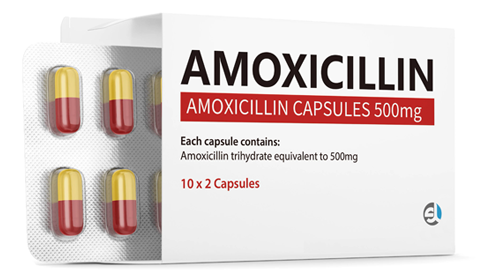
- Capsules: Commonly available in strengths of 250 mg and 500 mg.
- Tablets: These are also available in 250 mg and 500 mg strengths. Chewable tablets may be available for children or those who have difficulty swallowing pills.
- Liquid Suspension: Often prescribed for children or those who cannot swallow pills. The liquid form is typically available in different concentrations, measured in mg per ml.
- Extended-Release Tablets: These are typically used for specific types of infections and release the medication over a longer period.
The dosage of Amoxicillin depends on several factors, including the type and severity of the infection, the patient's age, weight, and kidney function.
Amoxicillin Dosage Guidelines for Various Infections
The following are general dosage guidelines for Amoxicillin in treating different types of bacterial infections. It's important to note that these dosages can vary based on individual patient factors, and it's essential to follow the prescription provided by a healthcare provider.
-
Ear, Nose, and Throat Infections: For mild to moderate infections, the typical adult dosage is 500 mg every 12 hours or 250 mg every 8 hours. For more severe infections, the dosage may increase to 875 mg every 12 hours or 500 mg every 8 hours.
-
Urinary Tract Infections: For uncomplicated UTIs, adults may be prescribed 250 mg every 8 hours or 500 mg every 12 hours. Severe cases might require higher dosages.
-
Skin and Soft Tissue Infections: The usual adult dosage is 500 mg every 12 hours or 250 mg every 8 hours, depending on the severity of the infection.
-
Lower Respiratory Tract Infections: For adults, the standard dosage is 500 mg every 12 hours or 250 mg every 8 hours. In more severe cases, the dosage might be increased.
-
Gonorrhea: A single dose of 3 grams is often recommended for the treatment of uncomplicated gonorrhea.
-
Stomach Ulcers: When used as part of combination therapy for Helicobacter pylori infection, the usual adult dose is 1000 mg (1 gram) taken twice daily for 14 days.
-
Dental Infections: For dental abscesses, the typical dosage for adults can be 500 mg every 8 hours or 875 mg every 12 hours, depending on the severity.
For children, the dosages are generally calculated based on body weight and the type of infection being treated. It is crucial for parents and caregivers to adhere strictly to the dosage and frequency as prescribed by the pediatrician.
These dosages are general guidelines and may not be suitable for every individual. Always consult a healthcare provider for personalized dosing instructions.
How should Amoxicillin be administered?
Proper administration of Amoxicillin is crucial for its effectiveness in treating bacterial infections. Here are some general guidelines on how to administer Amoxicillin:
-
Follow the Prescription: Always adhere to the healthcare provider's instructions regarding the dosage, frequency, and duration of the treatment. Do not alter the prescribed dose without consulting a doctor.
-
Timing: Amoxicillin should be taken at evenly spaced intervals to maintain a consistent level of the antibiotic in the body. This is crucial for its effectiveness.
-
With or Without Food: Amoxicillin can be taken with or without food. However, taking it with food may reduce gastrointestinal side effects like nausea or stomach upset.
-
Liquid Form: If using the liquid form of Amoxicillin, shake the bottle well before each use to mix the medication evenly. Use a proper measuring spoon or cup to ensure the correct dosage.
-
Swallowing Tablets/Capsules: Swallow the capsules or tablets whole with a full glass of water. Do not crush, chew, or break them unless they are the chewable variety.
-
Completing the Course: It's important to complete the entire course of antibiotics as prescribed, even if you feel better before it's finished. Stopping early can lead to the infection returning and increase the risk of antibiotic resistance.
-
Storage: Store Amoxicillin as directed on the package. Typically, tablets and capsules should be stored at room temperature away from light and moisture. Liquid forms may need refrigeration.
-
Missed Dose: If you miss a dose, take it as soon as you remember. If it's almost time for your next dose, skip the missed dose and continue with your regular dosing schedule. Do not double up to make up for a missed dose.
These are general guidelines, and the specifics of how to take Amoxicillin may vary based on individual circumstances and the advice of your healthcare provider.
What are the possible side effects of Amoxicillin?
While Amoxicillin is generally well-tolerated, it can cause side effects in some individuals. The occurrence and severity of side effects can vary. Here are some of the common and rare side effects associated with Amoxicillin:
-
Gastrointestinal Issues: These are the most common side effects and include nausea, vomiting, diarrhea, and stomach pain. Taking Amoxicillin with food can sometimes help minimize these effects.
-
Allergic Reactions: Some individuals may experience allergic reactions to Amoxicillin, which can range from skin rashes and itching to more severe reactions like hives, swelling of the face, lips, tongue, or throat, and difficulty breathing. Immediate medical attention is required for severe allergic reactions.
-
Yeast Infections: Long-term use of Amoxicillin can sometimes lead to secondary yeast infections, such as thrush or vaginal yeast infections, due to the disruption of the normal bacterial balance in the body.
-
Changes in Taste: Some people may experience a temporary change in taste while taking Amoxicillin.
-
Headache and Dizziness: These are less common but can occur in some individuals.
-
Rare Side Effects: More severe but rare side effects can include severe intestinal condition (Clostridium difficile-associated diarrhea), liver problems, abnormal blood cell counts, and seizures in people with kidney disease.
This is not a complete list of possible side effects, and others may occur. Always consult your doctor for medical advice about side effects.
Amoxicillin Patient Experiences and Reviews
Amoxicillin, like any medication, has varying effects on different individuals. Here's a summary of various patient experiences and reviews from different sources:
-
Effective for a Variety of Infections: Patients have reported success in treating diverse infections such as urinary tract infections, dental abscesses, ear infections, and other bacterial infections. The medication is often praised for its quick action in alleviating symptoms of these conditions.
-
Relief from Symptoms: Numerous patients have experienced significant relief from symptoms associated with their infections, often within a few days of starting the medication. This includes reduction in pain, swelling, and other discomforts related to their specific conditions.
-
Tolerable Side Effects: While some side effects were reported, they were generally described as mild and manageable. Common side effects like gastrointestinal discomfort were often temporary and did not necessitate discontinuation of the medication.
-
Convenience of Use: Patients appreciated the availability of Amoxicillin in various forms, such as tablets and liquid suspensions, making it easier to consume, especially for children or those having difficulty swallowing pills.
These patient experiences suggest that Amoxicillin is a generally effective and well-received antibiotic for treating a range of bacterial infections.
Amoxicillin is a widely used antibiotic with a broad range of applications against bacterial infections. Its effectiveness, availability in various forms, and general safety profile make it a common choice in the treatment of bacterial infections.
|