|
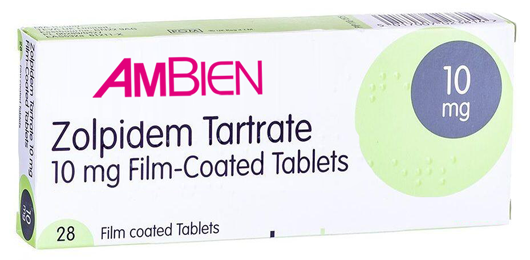
Ambien is a prescription medication primarily used for the short-term treatment of sleeping problems. Classified as a sedative-hypnotic, Zolpidem works by slowing down brain activity to allow sleep. It's part of a class of medications known as nonbenzodiazepine Z drugs, which have a different chemical structure than traditional benzodiazepines but act on the same key brain receptors. These medications are often preferred for sleep disorders because they are thought to have a lower risk of dependence and side effects compared to older sleep medications.
Ambien is usually prescribed for short periods, typically no longer than a few weeks, due to concerns about dependency, tolerance, and potential side effects. Some common side effects include drowsiness, dizziness, and headache. In some cases, more severe side effects can occur, such as memory loss, bizarre behavior, and severe allergic reactions.
It's essential for individuals taking Ambien to use it exactly as prescribed by a healthcare professional and to be aware of its potential effects, especially regarding mental alertness the morning after its use. Ambien should not be taken with alcohol or other substances that depress the central nervous system.
Due to its potential for abuse and dependence, Ambien is classified as a controlled substance in many countries, including the United States, where it is classified under Schedule IV of the Controlled Substances Act.
What Diseases Does Ambien Treat?
In the United Kingdom, Ambien, known by its generic name zolpidem, is primarily used for the short-term treatment of insomnia. Insomnia is characterized by difficulties in falling asleep, staying asleep, or experiencing non-restorative sleep. Ambien is particularly effective for initiating sleep and is therefore often prescribed to those who have trouble falling asleep.
It's important to note that Ambien is not a treatment for the underlying causes of insomnia, which can be varied and include psychological stress, chronic pain, hyperthyroidism, or other medical conditions. Instead, Ambien is used to provide symptomatic relief for sleeping difficulties. The medication is typically prescribed for short durations, often no more than a few weeks, due to concerns about dependence, tolerance, and potential side effects.
In what forms Ambien is available?
Forms of Ambien Availability
Ambien, or zolpidem, is available in several forms to accommodate different needs and preferences for treating insomnia. The primary forms of Ambien include:
- Immediate-Release Tablets: These tablets are designed to dissolve quickly in the body to induce sleep rapidly. They are usually taken just before bedtime. This form is often preferred by individuals who have difficulty falling asleep.
- Extended-Release Tablets (Ambien CR): These tablets have a two-layer formulation. The first layer dissolves quickly to help you fall asleep, while the second layer dissolves slowly to help you stay asleep. Ambien CR is beneficial for those who have trouble staying asleep throughout the night.
- Sublingual Tablets (Edluar, Intermezzo): These are tablets that dissolve under the tongue. Edluar is used to help initiate sleep, while Intermezzo is designed for use when a person wakes up in the middle of the night and has difficulty returning to sleep.
- Oral Spray (Zolpimist): This form of Ambien is sprayed directly into the mouth over the tongue. It's another option for people who may have difficulty swallowing pills.
Each form of Ambien has specific instructions on how to take it, and it's essential for patients to follow these instructions carefully. For instance, Ambien CR should not be crushed or split, as this could release the entire dose of the medication at once, increasing the risk of side effects. Similarly, sublingual tablets should not be swallowed whole or taken with water, as this affects how quickly the medication is absorbed.
The dosages in which Ambien is available include:
- Ambien Immediate-Release Tablets: These are typically available in dosages of 5 mg and 10 mg. The 5 mg dose is often recommended as a starting dose, especially for older adults or those with certain medical conditions.
- Ambien CR (Extended-Release Tablets): Available in dosages of 6.25 mg and 12.5 mg. The lower dose is commonly prescribed for older adults or individuals sensitive to the medication.
- Edluar (Sublingual Tablets): This form comes in dosages of 5 mg and 10 mg, similar to the immediate-release tablets.
- Intermezzo (Sublingual Tablets): Specifically designed for middle-of-the-night awakenings, it is available in lower dosages of 1.75 mg and 3.5 mg to reduce the risk of morning grogginess.
- Zolpimist (Oral Spray): Each spray delivers a dose of 5 mg, with the typical dose being one or two sprays.
The choice of Ambien form largely depends on the nature of the individual's sleep problem (difficulty falling asleep versus difficulty staying asleep), their medical history, and any other medications they may be taking. A healthcare professional can provide guidance on the most appropriate form of Ambien for a patient's specific situation.
How to take Ambien?
Guidelines for Taking Ambien (Zolpidem)
When prescribed Ambien (zolpidem) for insomnia, it's important to follow specific guidelines to ensure safety and effectiveness. Here are the key instructions for taking Ambien:
- Take Right Before Bedtime: Ambien should be taken right before you go to bed. Ensure that you can dedicate a full 7 to 8 hours to sleep before taking Ambien. Taking it earlier can cause memory loss, hallucinations, or complex sleep behaviors.
- Take on an Empty Stomach: It's best to take Ambien on an empty stomach. Food can delay the onset of its effects, making it less effective in inducing sleep quickly.
- Use the Correct Form: Make sure to use the Ambien form prescribed to you. For instance, Ambien CR should not be crushed, chewed, or broken, as it's an extended-release tablet. Sublingual tablets should be placed under the tongue to dissolve without water.
- Do Not Re-Take During the Night: If you wake up during the night, do not take another dose of Ambien. Only take one dose per night as needed for sleep.
- Avoid Alcohol and Certain Medications: Do not consume alcohol or use other central nervous system depressants while taking Ambien, as this can increase the risk of adverse effects.
- Do Not Operate Machinery: After taking Ambien, you should not engage in activities that require mental alertness, such as driving or operating machinery, until you are fully awake and aware.
- Follow Your Doctor's Instructions: Adhere strictly to the dosage and duration of treatment prescribed by your doctor. Do not take Ambien more frequently or for a longer period than advised.
Ambien is a temporary solution for insomnia and is typically prescribed for short periods. If your sleep problems persist, consult with your healthcare provider for a reevaluation of your condition and treatment plan. Misuse or overuse of Ambien can lead to dependency, tolerance, and potentially severe side effects.
How long does Ambien take to work?
Ambien is known for its quick onset of action in inducing sleep, which is one of the reasons it is commonly prescribed for insomnia. The time it takes for Ambien to work can vary slightly based on several factors, but typically, it works as follows:
- Immediate-Release Tablets: The standard form of Ambien is the immediate-release tablet. It usually takes effect within 30 minutes of ingestion. Therefore, it is advised to take this form of Ambien right before you plan to go to bed.
- Sublingual Tablets (Edluar, Intermezzo): These forms of Ambien are designed to dissolve under the tongue and may work slightly faster than the immediate-release tablets. They can be effective within 15 to 30 minutes.
- Ambien CR (Extended-Release Tablets): While the initial layer of Ambien CR is designed to dissolve quickly to help you fall asleep, it might take slightly longer to take effect compared to the immediate-release tablets. However, the difference in onset time is generally minimal.
- Zolpimist (Oral Spray): The oral spray form of Ambien is absorbed through the mucous membranes in the mouth, which can lead to a quicker onset, similar to the sublingual tablets.
Individual factors such as metabolism, age, body weight, medication interactions, and whether you have eaten recently can affect how quickly Ambien works. For instance, taking Ambien after a meal can delay its onset. Therefore, it is generally recommended to take Ambien on an empty stomach.
Due to its quick action, Ambien should only be taken when you are prepared to go to bed and can remain in bed for a full 7 to 8 hours. This helps to avoid any potential side effects, such as memory loss or complex sleep-related behaviors, which are more likely to occur if you are not able to sleep uninterrupted for an adequate duration after taking the medication.
Duration of Ambien's Effects
The duration of Ambien's effects can vary depending on the specific formulation of the medication and individual factors like metabolism, age, and other personal health characteristics. Generally, the duration is as follows:
- Immediate-Release Tablets: The standard Ambien formulation is designed to help you fall asleep. Its effects typically last for about 6 to 8 hours. This duration is sufficient to provide a full night's sleep without leaving residual effects the next morning for most people.
- Extended-Release Tablets (Ambien CR): Ambien CR is formulated to help you fall asleep and stay asleep. It has a dual-layer design where the first layer dissolves quickly to initiate sleep, and the second layer dissolves slowly to maintain sleep. The effects of Ambien CR can last for about 6 to 8 hours, but with a more prolonged release of the active ingredient to aid in sleep maintenance.
- Sublingual Tablets (Edluar, Intermezzo): These forms of Ambien, designed to dissolve under the tongue, generally have a similar duration of effect to the immediate-release tablets, lasting around 6 to 8 hours.
- Zolpimist (Oral Spray): The oral spray has a duration of effect similar to that of the immediate-release tablets and sublingual tablets.
Is generic Ambien available?
The generic name for Ambien is zolpidem tartrate. Generic drugs are typically less expensive than their brand-name counterparts and are considered by health authorities to be just as effective and safe.
Generic zolpidem tartrate is available in the same forms and dosages as the brand-name Ambien, including:
- Immediate-Release Tablets: These are commonly available in 5 mg and 10 mg strengths.
- Extended-Release Tablets: Similar to Ambien CR, generic extended-release zolpidem is available, typically in 6.25 mg and 12.5 mg strengths.
- Sublingual Tablets: Generic versions of sublingual tablets (equivalent to Edluar and Intermezzo) are also available in similar dosages.
When prescribed generic zolpidem, it's important to use it in the same way as the brand-name Ambien. The guidelines for use, potential side effects, and precautions are generally the same for the generic version as they are for the brand-name drug.
Patients may find that the cost of generic zolpidem is significantly lower, making it a more accessible option for many. It's worth noting that while the active ingredient in generic zolpidem is the same as in Ambien, there may be differences in the inactive ingredients. If you have allergies or sensitivities, check with your pharmacist or healthcare provider to ensure the generic version is safe for you.
Ambien possible side effects
Ambien, or zolpidem, like all medications, it can have side effects. The frequency and severity of these side effects can vary from person to person. Common and serious side effects of Ambien include:
Common Side Effects:
- Drowsiness: Feeling sleepy or drowsy is a common effect, especially the morning after taking Ambien.
- Dizziness: Users may experience lightheadedness or a feeling of unsteadiness.
- Headache: Some people may have headaches after taking Ambien.
- Nausea or Vomiting: Gastrointestinal issues such as nausea or vomiting can occur.
- Diarrhea: Some individuals may experience gastrointestinal disturbances like diarrhea.
- Grogginess or a "Hungover" Feeling: A sense of grogginess or feeling hungover the next day is possible.
More Serious Side Effects:
- Allergic Reactions: Symptoms such as hives, swelling of the face, lips, tongue, or throat, and difficulty breathing can indicate a severe allergic reaction.
- Behavior Changes: Ambien can cause changes in behavior, such as increased aggressiveness, confusion, agitation, hallucinations, and bizarre behavior.
- Memory Loss: Ambien may cause short-term amnesia or memory loss, particularly if not followed by a full 7-8 hours of sleep.
- Dependence and Withdrawal: Long-term use can lead to physical dependence, and abrupt discontinuation may result in withdrawal symptoms.
- Complex Sleep Behaviors: Activities such as sleepwalking, sleep-driving, or engaging in other activities while not fully awake and without memory of the activity can occur.
Not everyone will experience side effects, and for many people, Ambien is a safe and effective treatment for insomnia. However, being aware of potential side effects and how to manage them is an important part of responsible medication use.
Where to buy Ambien and how much does it cost?
Ambien, or its generic version Zolpidem, can be purchased through various online pharmacies. One option is to buy it from websites like Sleeping Tablets Online Pharmacy, which offers the medication for next-day delivery. The cost of Zolpidem varies depending on the quantity and the pharmacy you choose to buy from. For example, at Online Pharmacy, the price range for Ambien (Zolpidem) 10 mg is between £100.00 and £300.00, depending on the quantity you purchase, with options for 100, 200, or 500 pills.
Improvement of Quality of Life with Ambien
Ambien can potentially improve the quality of life in individuals who struggle with sleep initiation or maintenance.
Improved Sleep Patterns: Ambien is effective in reducing the time it takes to fall asleep and can also help in maintaining sleep throughout the night. Better sleep can lead to improved energy levels and mood during the day. Reduced Nighttime Awakenings: For individuals who frequently wake up during the night, Ambien can help in reducing these interruptions, leading to a more restful and uninterrupted sleep. Increased Daytime Functioning: By improving sleep quality and duration, Ambien can contribute to better daytime alertness and cognitive functioning, as adequate sleep is crucial for these aspects of daily life. Management of Insomnia Symptoms: For those with insomnia, Ambien provides a temporary solution to manage their symptoms, which can be a significant relief, especially for short-term stress-related insomnia. Potential Reduction in Sleep-related Anxiety: Knowing that there is an effective aid for sleep can reduce the anxiety associated with the inability to fall asleep, which in itself can be a barrier to natural sleep onset.
Ambien (Zolpidem) Patient Experiences and Reviews
The experiences and reviews of Ambien (Zolpidem) from patients reveal a mixed response, highlighting both positive aspects and challenges of the medication.
Positive Experiences:
- Many users have found Ambien effective in treating their insomnia, allowing them to fall asleep faster and maintain sleep through the night. This improvement in sleep quality has had a positive impact on their daily functioning and overall quality of life.
- Some patients have reported using Ambien successfully for years without experiencing significant side effects, indicating its potential for long-term efficacy in certain individuals.
- Ambien has been particularly helpful for individuals with severe insomnia and anxiety at night, helping them achieve sleep when other medications have failed.
Challenges and Concerns:
- Tolerance and dependency are notable concerns. Some users reported that over time, the effectiveness of Ambien decreased, requiring them to increase the dose or try different medications.
- The experiences with side effects vary, with some patients reporting next-day drowsiness, odd behaviors like sleep-cooking or online shopping without recall, and other complex sleep-related activities.
- There have been instances where Ambien did not work effectively for some individuals, or they experienced adverse effects like severe itching or other allergic reactions.
General Observations:
Ambien seems to work differently for each individual, and its effectiveness can be influenced by various factors such as dosage, frequency of use, and individual health conditions. Overall, while Ambien has been a beneficial medication for many in managing insomnia, it also comes with risks that require careful consideration and monitoring by a healthcare professional.
|